 Honorary Consulate of the Republic of Namibia for the State of Hesse
info@namibia-hessen.de
|
+49 69 2474 6828
Honorary Consulate of the Republic of Namibia for the State of Hesse
info@namibia-hessen.de
|
+49 69 2474 6828
 Honorary Consulate of the Republic of Namibia for the State of Hesse
info@namibia-hessen.de
|
+49 69 2474 6828
Honorary Consulate of the Republic of Namibia for the State of Hesse
info@namibia-hessen.de
|
+49 69 2474 6828
Endless deserts, spectacular national parks and unique wildlife – an overview of one of Africa’s most fascinating travel destinations.
After Mongolia, Namibia is the second most sparsely populated country on earth and one of Africa’s most scenically impressive travel destinations. It delights travellers with an extraordinary variety of endless desert landscapes, impressive national parks, abundant wildlife and largely untouched nature.
From the Namib Desert with the famous dunes of Sossusvlei to the Atlantic coast and the species-rich game reserves of the interior, the country offers unique travel experiences.
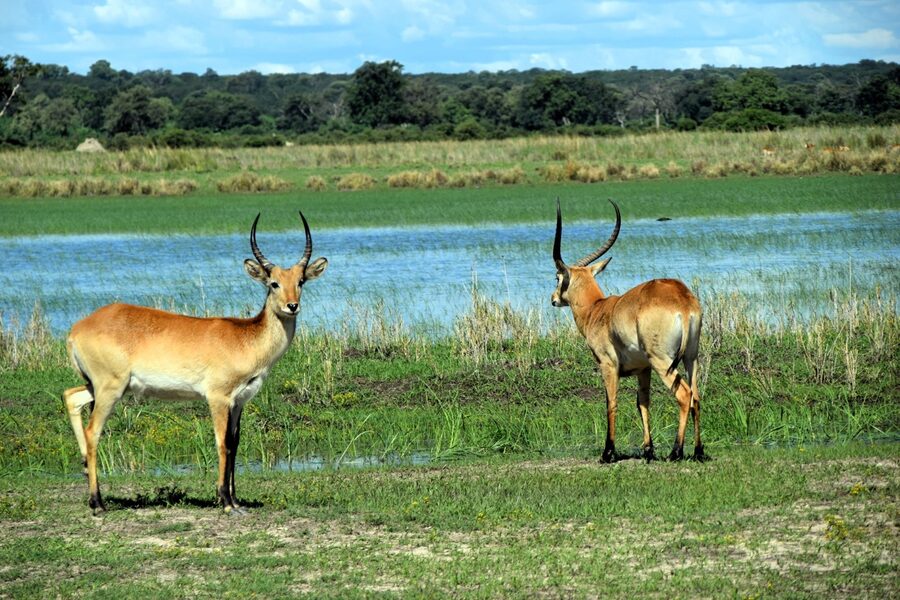
Every year, more than 1.1 million tourists travel to Namibia. More than 120,000 visitors come from Germany each year, making the Federal Republic the country’s largest single tourism market outside Africa.
To provide initial orientation for anyone interested, we have compiled a selection of tourism information about Namibia here.
Here you will find a compact overview of the country’s most characteristic features, important practical information on entry requirements and further sources of information.
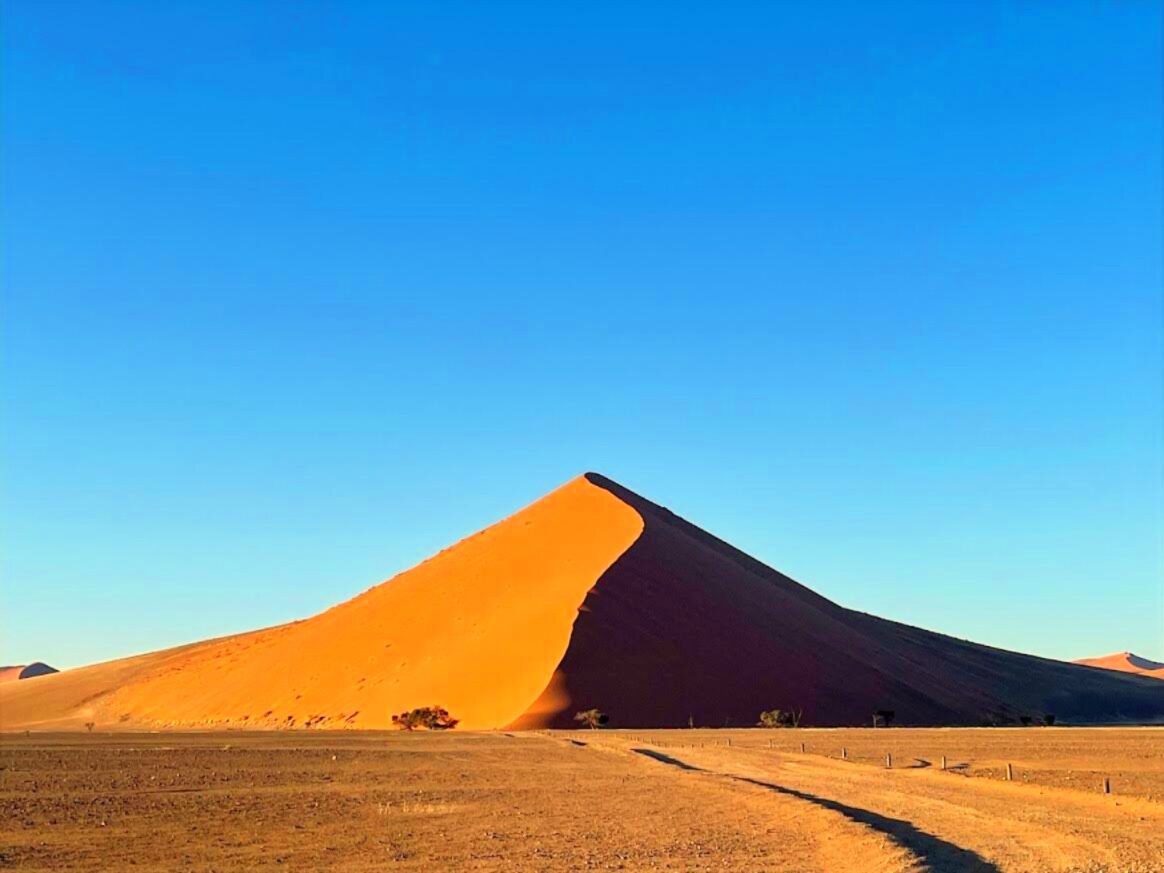
The Namib Desert is one of the oldest deserts on earth and impresses with its unique landscape of endless sand dunes, rugged rock formations and extraordinary flora and fauna. One of its best-known highlights is Sossusvlei in the Namib-Naukluft National Park, where some of the highest sand dunes in the world rise up to 300 metres into the sky. At sunrise and sunset in particular, the dunes are transformed into a fascinating play of gold, orange and red tones. Together with nearby Deadvlei, Sossusvlei is among the most impressive natural wonders of Namibia and an unforgettable experience for every visitor.
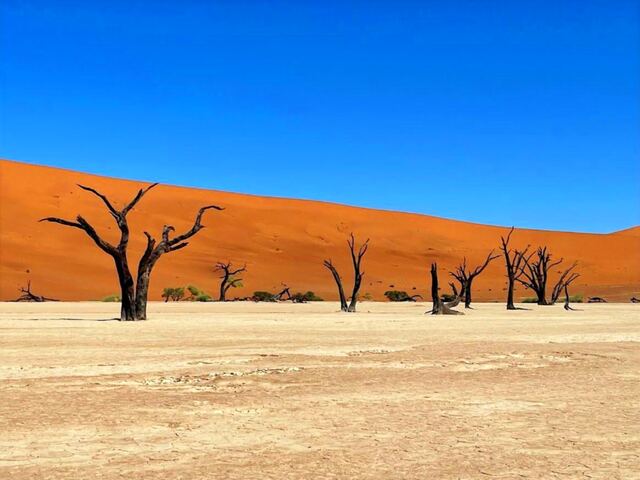
Deadvlei is one of Namibia’s most spectacular natural attractions and lies at the heart of the Namib-Naukluft National Park, not far from Sossusvlei. The white clay pan with its dead camel thorn trees, up to 900 years old, forms a fascinating contrast to the bright red sand dunes and the deep blue sky. The extremely dry climate has preserved the trees over centuries and gives the landscape its unique, almost surreal atmosphere. Deadvlei is among the most photographed places in Africa and an unforgettable highlight of any trip to Namibia.
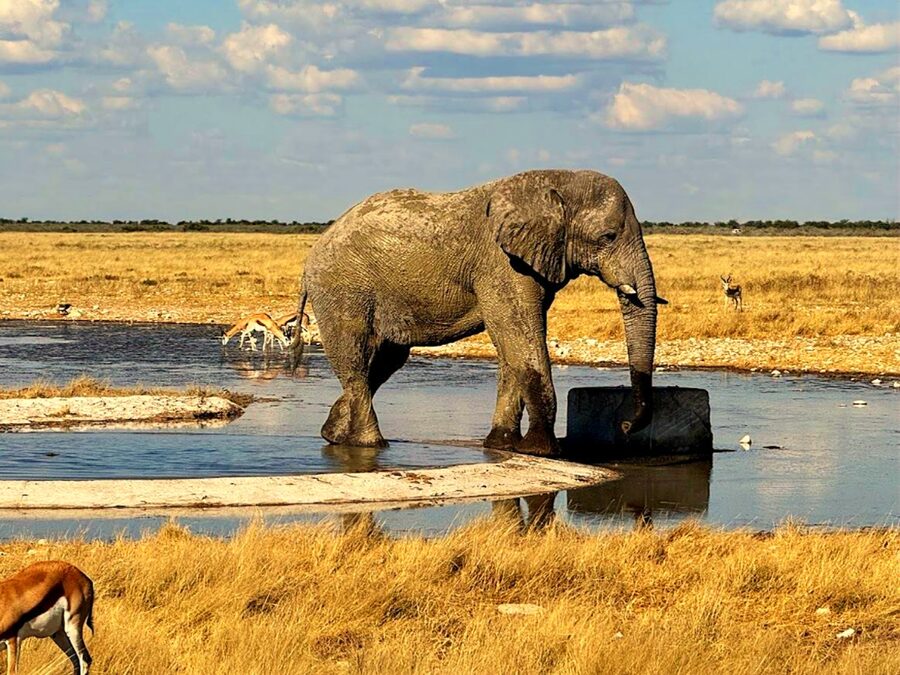
Etosha National Park in northern Namibia is one of the most important wildlife reserves in Africa and one of the country’s most spectacular destinations. At the heart of the park is the vast Etosha salt pan, which stretches over some 5,000 square kilometres and gives the landscape its unmistakable character. At the numerous waterholes, elephants, lions, rhinos, giraffes, zebras, antelopes and an impressive variety of bird species gather – especially in the dry season, offering unique opportunities for wildlife viewing. The combination of endless expanse, fascinating wildlife and extraordinary safari experiences makes Etosha National Park an unforgettable highlight of any trip to Namibia.
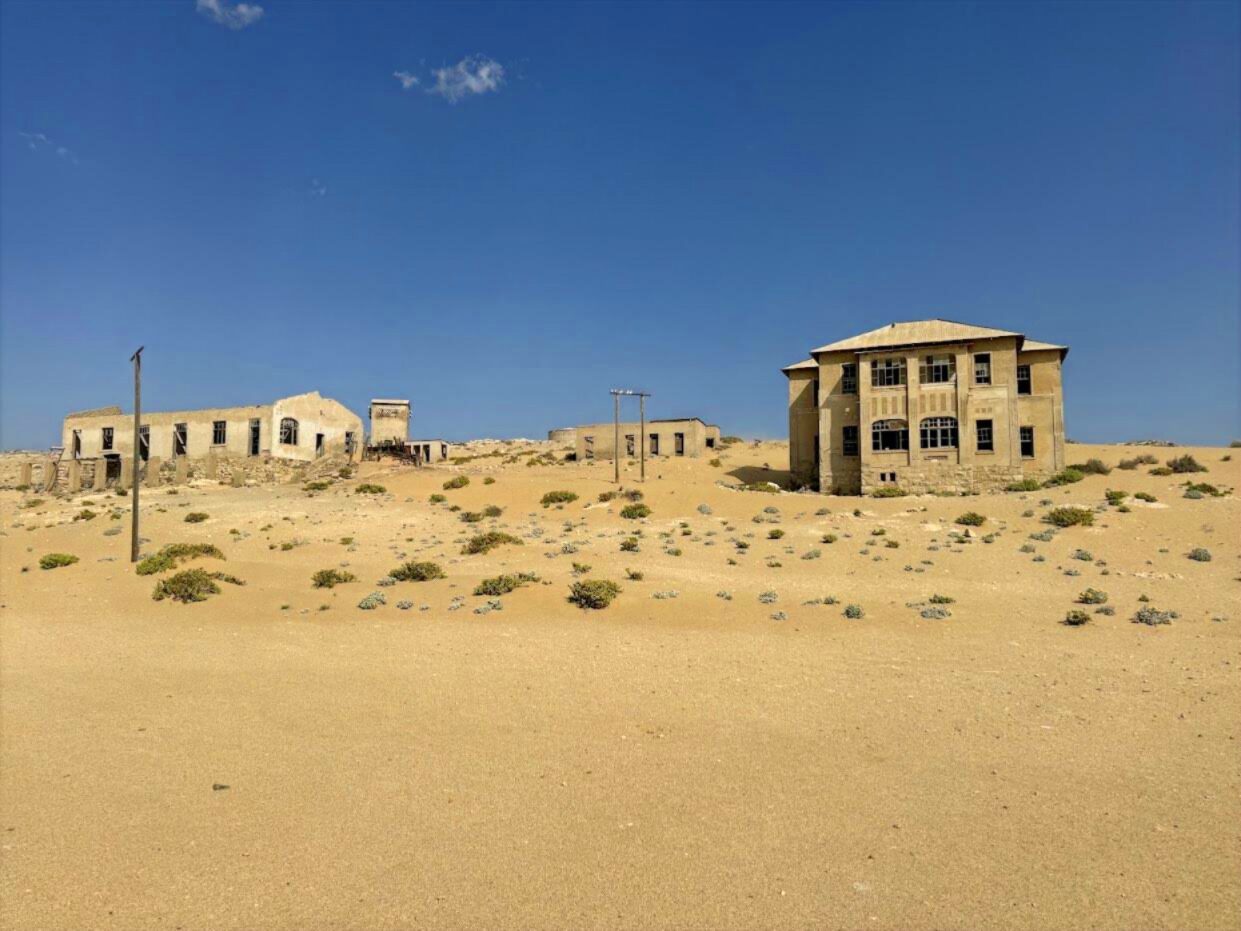
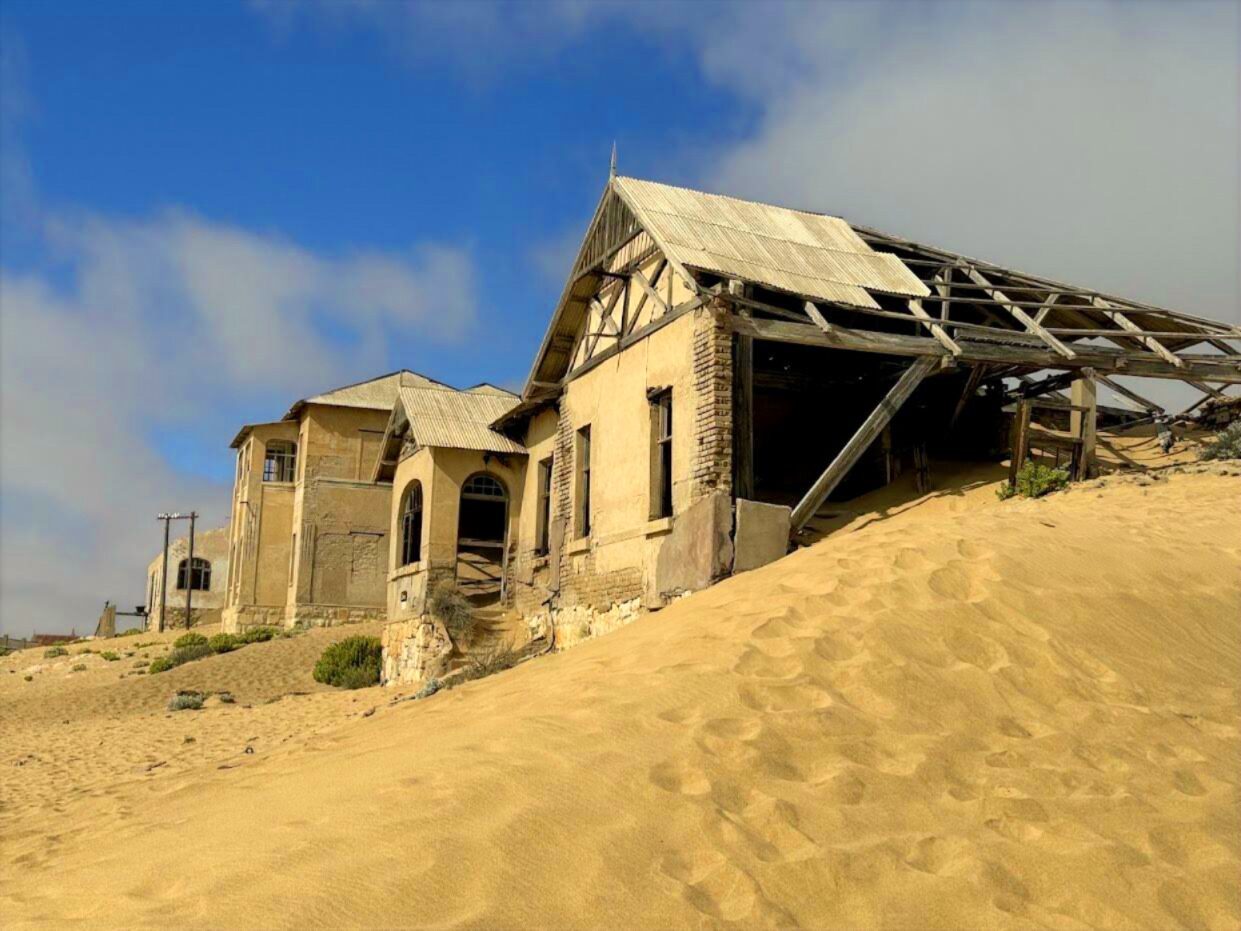
Kolmanskop is a fascinating ghost town on the edge of the Namib Desert, just a few kilometres from Lüderitz. In the early 20th century, the diamond boom gave rise here to one of the wealthiest settlements in what was then German South West Africa. Once the diamond deposits were exhausted, the town was abandoned and gradually reclaimed by the sand dunes. Today Kolmanskop is one of Namibia’s most impressive sights, offering a unique insight into the history of diamond mining as well as extraordinary photo opportunities.
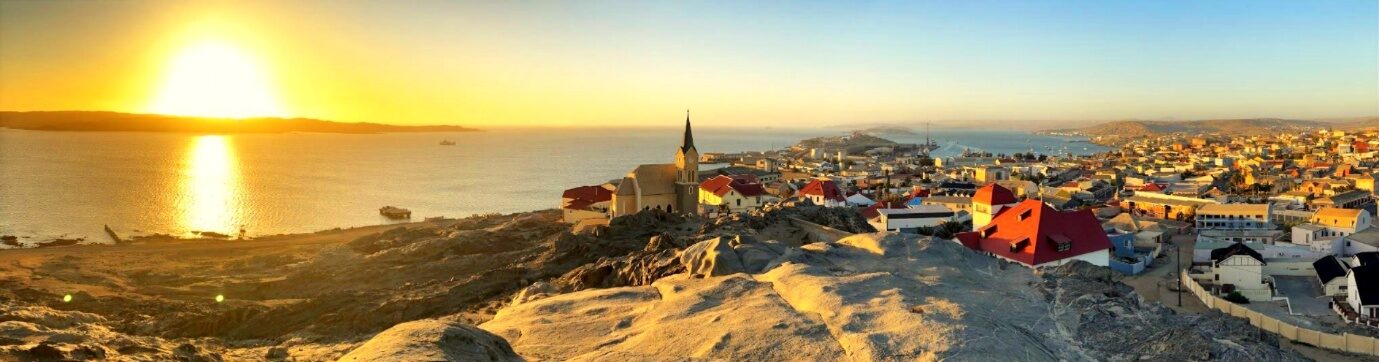
Lüderitz is a charming coastal town on Namibia’s rugged Atlantic coast, impressing with its unique blend of German colonial history, Victorian architecture and African atmosphere. Surrounded by the endless Namib Desert and the wild Atlantic, the town offers fascinating sights such as the historic Felsenkirche (Rock Church), the Goerke House and the colourful buildings of the German founding era. The nearby Diaz Point recalls the early European seafarers who explored this coast centuries ago. With its special location, its history and its spectacular landscapes, Lüderitz is one of Namibia’s most extraordinary destinations.
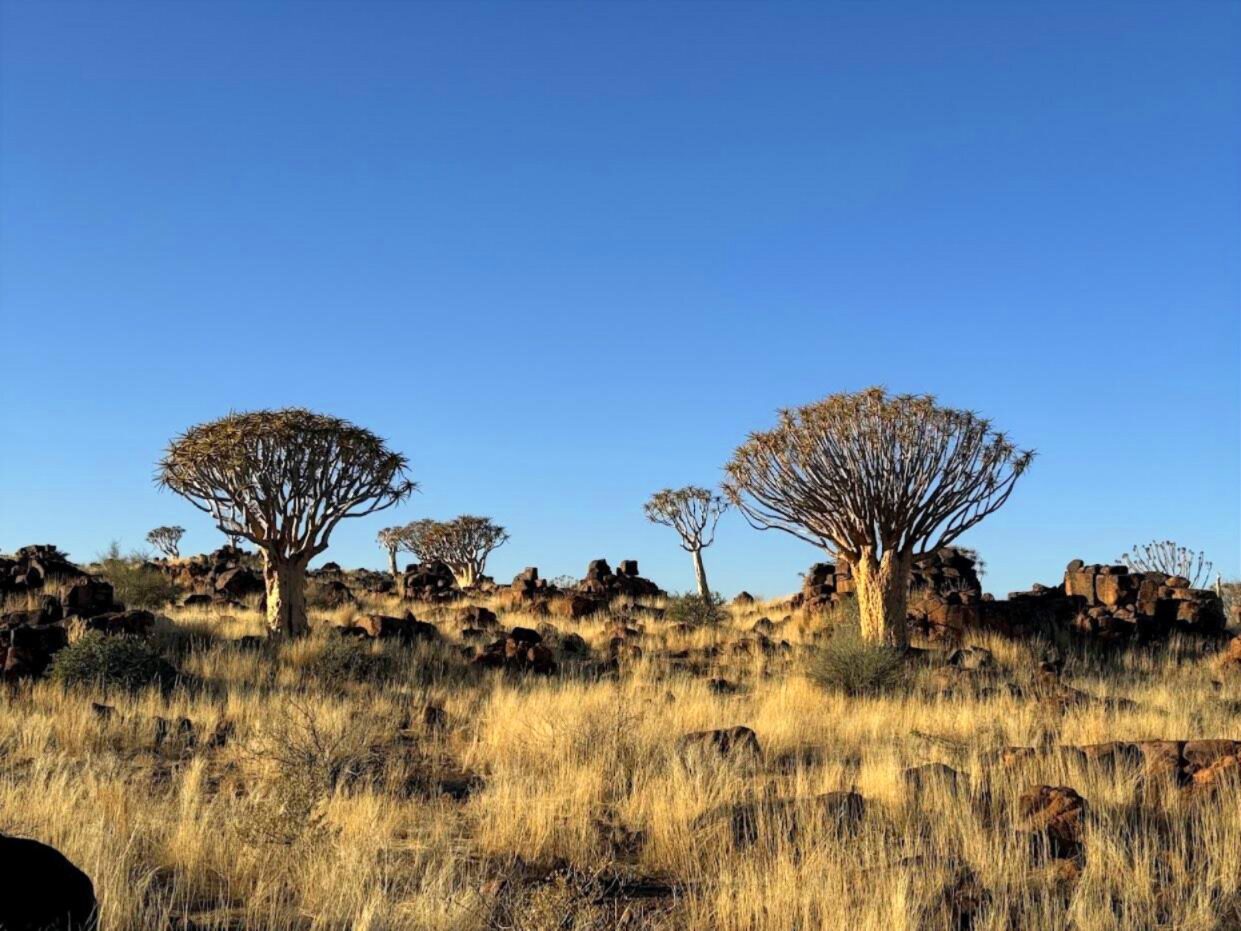
The Quiver Tree Forest near Keetmanshoop is one of Namibia’s most extraordinary natural wonders and is famous for its impressive, bizarrely shaped quiver trees. The aloes, which can grow several metres tall, were traditionally used by the San (Bushmen) to make quivers for their arrows from the hollow branches – hence the name. The striking silhouettes of the trees against the wide Kalahari landscape make for a fascinating photo motif, particularly at sunrise and sunset. The Quiver Tree Forest is an impressive example of the unique adaptability of Namibian flora to extreme drought and one of the most popular natural experiences in the south of Namibia.
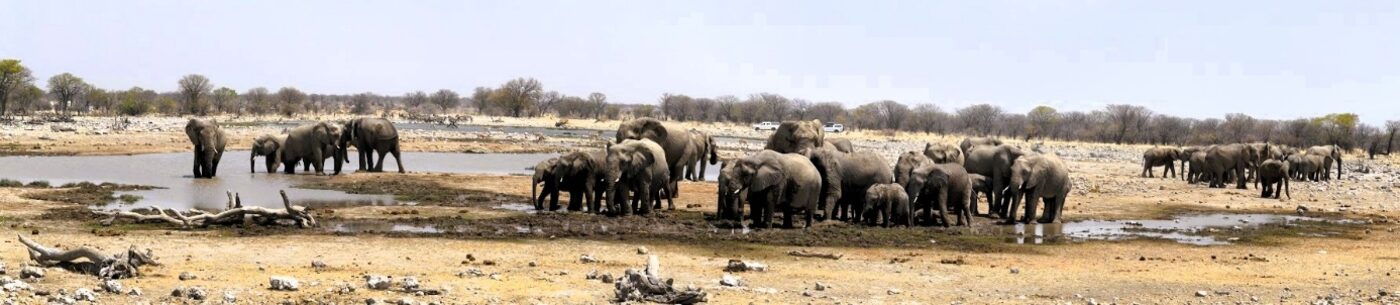
Namibia is one of the African countries with the most impressive wildlife reserves and offers unique opportunities to experience its fascinating wildlife in its natural habitat. In addition to the famous Etosha National Park, numerous other protected areas invite visitors to unforgettable safaris, game drives and nature experiences. The vast landscapes, the low population density and successful conservation programmes make Namibia a special destination for safari and nature lovers.
The most important wildlife reserves include:
Since 1 April 2025, German citizens require a visa to enter Namibia.
Important note: The Honorary Consulate cannot issue visas or immigration documents. Visa applications are processed and issued exclusively by the Embassy of the Republic of Namibia in Berlin.
Tourist visas can be applied for individually on the website of the Namibian Ministry of Home Affairs, Immigration, Safety and Security. E-visas are usually issued within a few days and, once the visa fee has been paid, generally very promptly.
The Honorary Consulate will of course be happy to assist you with general questions about visas.
Reliable, official sources of information for planning your trip.